
Shortboards represent a classic, modern surfboard choice, ideal for high-performance surfing in smaller to medium-sized waves. This size guide helps intermediate and advanced surfers!
What is a Shortboard?
Shortboards are high-performance surfboards, typically ranging from 5’8” to 6’8” in length, designed for maneuverability and speed. They’re characterized by a narrower outline and a more refined rocker profile compared to longer boards. This design allows surfers to execute radical turns and navigate critical sections of waves with precision.
Often favored by experienced surfers, shortboards excel in waves that aren’t overly large, generally small to medium in size. They aren’t the most forgiving boards, demanding a good level of skill and wave knowledge to fully utilize their potential. They are a modern classic!
Who is a Shortboard For? (Skill Level)
Shortboards are generally recommended for intermediate to advanced surfers who have already mastered the fundamentals of surfing. Beginners should first gain experience on more stable boards like soft tops or fish boards before transitioning. A solid understanding of paddling, popping up, and riding the wave face is crucial.
The responsiveness of a shortboard requires precise footwork and timing. Surfers should be comfortable with bottom turns and initiating maneuvers. It’s not a beginner’s choice; building a foundation on easier boards prevents frustration and accelerates progress.
Wave Conditions for Shortboards
Shortboards truly excel in small to medium-sized waves, typically ranging from waist to head-high. They are designed for performance in these conditions, allowing for quick turns and maneuvers. However, they can also handle larger waves for experienced surfers, though stability decreases.
Avoid using a shortboard in extremely large or powerful surf, as it lacks the paddle power and volume needed for easy wave entry. Choppy conditions can also be challenging, potentially bogging down the board’s performance. Ideal conditions are clean, groomed waves.

Key Dimensions of a Shortboard
Understanding a shortboard’s length, width, thickness, and rocker is crucial for optimal performance. These dimensions directly impact stability, paddle power, and maneuverability.
Length: The Primary Factor
Shortboard length is the most significant factor influencing performance characteristics. Generally, longer boards offer greater stability and paddle power, making them suitable for smaller or weaker waves. Conversely, shorter boards enhance maneuverability and responsiveness, excelling in steeper, more powerful conditions. A surfer’s weight directly correlates with appropriate length; heavier surfers require longer boards for sufficient floatation.
The provided guidelines suggest lengths ranging from 64-72 inches for surfers weighing 100-140 lbs, 68-74 inches for 140-160 lbs, and 72-78 inches for 160-180 lbs. Remember, these are starting points, and individual preferences and wave types play a vital role in fine-tuning the ideal length.
Width: Impact on Stability and Paddle Power
A shortboard’s width significantly impacts both stability and paddle power. Wider boards provide increased surface area, enhancing stability and making paddling easier, particularly beneficial for beginners or those surfing smaller waves. However, excessive width can hinder rail-to-rail transitions and overall maneuverability.
Narrower boards offer quicker response and tighter turns but demand more skill and stronger paddling ability. Finding the right balance is crucial. Generally, wider tails contribute to stability, while narrower noses improve maneuverability. Consider your weight and surfing level when assessing width; heavier surfers often benefit from wider boards for added floatation.
Thickness: Volume and Buoyancy Explained
Shortboard thickness directly correlates with volume and, consequently, buoyancy. A thicker board contains more volume, providing greater floatation and making paddling easier, especially in smaller waves. This is advantageous for heavier surfers or those still developing their paddling strength. However, increased thickness can reduce responsiveness and make it harder to duck dive.
Thinner boards offer enhanced sensitivity and maneuverability but require more effort to paddle and are better suited for experienced surfers and powerful waves. Volume, measured in liters, is a key factor; understanding your ideal volume is crucial for optimal performance.
Rocker: How it Affects Performance
Shortboard rocker, the curve of the board from nose to tail, significantly impacts performance characteristics. More rocker allows for tighter turns and better control in steeper, more powerful waves, as it effectively shortens the board’s turning radius. However, increased rocker can reduce paddling speed and overall drive.
Less rocker provides faster paddling and greater speed on flatter waves, making it ideal for smaller, weaker conditions. A balanced rocker profile is crucial for versatility, offering a blend of maneuverability and speed. Understanding how rocker influences performance is vital when selecting the right shortboard.
Shortboard Size Charts Based on Weight
Shortboard size is often determined by a surfer’s weight, influencing floatation and stability. Charts offer guidelines for length based on weight ranges.
Weight Range 1: Under 140 lbs (63 kg)
For surfers weighing less than 140 lbs (63 kg), selecting the right shortboard size is crucial for maintaining maneuverability and control. Generally, a board length between 6’4” and 6’8” is recommended, prioritizing higher volume to compensate for less body weight. This ensures sufficient floatation for easy paddling and wave catching.
Consider a width of around 19.5” to 20.5” for added stability. Volume should fall within the 28-32 liter range. Beginners in this weight class might lean towards the higher end of the length and volume spectrum, while experienced surfers can opt for shorter, more performance-oriented boards.
Weight Range 2: 140-160 lbs (63-72 kg)
Surfers between 140 and 160 lbs (63-72 kg) have a versatile range for shortboard selection. A length of 6’6” to 7’0” is a good starting point, allowing for a balance between paddle power and responsiveness. Widths between 19.75” and 20.75” provide a stable platform for various wave conditions.
Optimal volume typically falls between 30-34 liters. Those newer to shortboards should favor the longer lengths and higher volumes, while experienced surfers can explore shorter, more radical designs. Consider your surfing style and local wave type when fine-tuning your choice.
Weight Range 3: 160-180 lbs (72-81 kg)
For surfers weighing between 160 and 180 lbs (72-81 kg), a shortboard length of 6’4” to 7’2” generally provides the best performance. Widths in the 19.5” to 20.5” range offer a good blend of stability and maneuverability. Volume should ideally be between 32-36 liters, depending on skill level and wave conditions.
Experienced surfers might lean towards the shorter end of the spectrum, while those transitioning should opt for more volume. Remember, bigger boards offer more floatation, but can feel less responsive in steeper waves.
Weight Range 4: Over 180 lbs (81 kg+)
Surfers exceeding 180 lbs (81 kg+) will typically require a shortboard measuring between 6’6” and 7’8” or even longer, depending on their surfing ability. A width of 20” to 21” or greater is recommended for increased stability and paddle power. Volume is crucial, aiming for 34 liters and upwards, potentially reaching 40+ liters for larger individuals.
Prioritize sufficient volume to avoid bogging down, especially in weaker waves. Don’t hesitate to experiment within this range to find the optimal balance between float and performance.
Understanding Surfboard Volume
Surfboard volume, measured in liters, significantly impacts paddle speed, buoyancy, and maneuverability; a crucial factor when selecting the right shortboard for your needs.
Volume Calculator: A Useful Tool
Determining the ideal surfboard volume doesn’t require complex calculations anymore! Numerous online volume calculators are readily available, simplifying the process significantly. These tools typically request your weight, surfing skill level, and the anticipated wave conditions.
By inputting this information, the calculator provides a recommended volume range in liters. Remember, this is a starting point; personal preference and surfing style play a role. A comprehensive buying guide utilizes these calculators to ensure a proper fit. Don’t hesitate to experiment within the suggested range to find what feels best for you!
How Volume Affects Paddle Speed
Surfboard volume directly impacts your paddle speed and efficiency. Greater volume equates to increased buoyancy, allowing you to float higher on the water. This reduces drag and makes paddling easier, especially crucial for catching waves. However, excessive volume can hinder maneuverability.
Conversely, lower volume boards require more effort to paddle but offer enhanced responsiveness once riding. Finding the right balance is key. A volume calculator assists in determining optimal buoyancy for your weight and skill. Remember, a board that’s too thin will bog down, impacting your ability to get into the wave.
Volume and Maneuverability Trade-offs
There’s a direct trade-off between surfboard volume and maneuverability. Higher volume boards, while easier to paddle and offering stability, can feel less responsive and harder to turn, especially in steeper waves. They tend to “bog” or get stuck in chop. Lower volume boards, conversely, are incredibly maneuverable, allowing for quick turns and responsive surfing.
However, they demand more skill and effort to paddle and require more precise footwork to maintain control. Choosing the right volume depends on your surfing ability, wave conditions, and desired surfing style. A balanced approach is often best, prioritizing volume for smaller waves and reducing it for performance.

Tail Shapes and Their Influence on Size
Tail shape significantly impacts a shortboard’s performance characteristics. Different tail designs—squash, pin, round, or diamond—influence how the board fits into the wave and maneuvers.
Squash Tail: Versatility and Control
The squash tail is arguably the most popular choice for shortboards, celebrated for its exceptional versatility and user-friendly control. Its broad, square shape provides a larger surface area, enhancing drive and responsiveness through turns. This design allows surfers to maintain grip while executing maneuvers, making it suitable for a wide range of wave conditions.
When considering size with a squash tail, a slightly shorter length can be effective, as the tail’s forgiving nature compensates for reduced length. It’s a fantastic option for surfers seeking a balance between performance and accessibility, excelling in both beach breaks and point breaks.
Pin Tail: Precision and Hold
The pin tail, characterized by its narrow, pointed shape, is engineered for precision and exceptional hold in steeper, more powerful waves. This design minimizes surface area, allowing for tighter turns and increased control at higher speeds. It’s a favorite among experienced surfers tackling challenging conditions where maintaining a solid rail line is crucial.
When sizing a shortboard with a pin tail, slightly increasing the length can be beneficial, providing added stability and paddle power. This tail shape demands more precise footwork and technique, rewarding skilled surfers with unparalleled performance.
Round Tail: Smooth Transitions
The round tail, as the name suggests, features a rounded outline, offering a versatile and forgiving ride. This design excels in providing smooth, flowing transitions between turns, making it ideal for surfers who prioritize maneuverability and a playful feel. It’s particularly well-suited for beach breaks and softer wave conditions.
When selecting a shortboard with a round tail, consider a slightly shorter length to enhance responsiveness. This tail shape is more forgiving than a pin tail, making it a great option for intermediate surfers looking to progress their skills and enjoy a dynamic surfing experience.
Diamond Tail: Combination of Features
The diamond tail is a hybrid design, blending characteristics of both squash and pin tails. Featuring a distinct diamond shape created by angled cuts, it offers a unique balance of hold and release. This tail excels in a variety of wave conditions, providing both control in steeper sections and the ability to release the rail for snappy turns.
For a diamond tail shortboard, consider a volume slightly higher than a comparable squash tail to maintain stability. It’s a versatile option suitable for surfers seeking a performance-oriented board that adapts well to different wave types and surfing styles.
Progression from Soft Top to Shortboard
This guide details a progression from soft tops to shortboards, helping you avoid common mistakes and size down effectively for optimal performance.
Step 1: The Fish Board Transition
The initial step away from a soft top involves transitioning to a fish board. These boards offer increased maneuverability compared to soft tops, while still providing ample floatation and stability – crucial for building confidence.
A fish board’s wider outline and flatter rocker make paddling easier, and they excel in smaller waves. This allows surfers to refine their turns and develop wave-reading skills without the steep learning curve of a high-performance shortboard.
Consider a fish slightly shorter than your soft top, but maintain similar volume to avoid losing buoyancy. This phase bridges the gap, preparing you for the demands of a true shortboard.
Step 2: Hybrid Shortboards
Following the fish, hybrid shortboards represent the next logical progression. These boards blend elements of traditional shortboards with wider outlines and flatter rockers, offering a balance between performance and user-friendliness. They’re designed to paddle easily and generate speed in a wider range of conditions.
Hybrids are typically slightly narrower and more refined than fish boards, encouraging more precise rail-to-rail transitions. They’re an excellent stepping stone, allowing surfers to experiment with shortboard maneuvers without sacrificing too much stability.
Focus on maintaining adequate volume during this stage, ensuring comfortable paddling and wave catching.
Step 3: Full Shortboard Performance
Now, you’re ready to transition to a full performance shortboard! These boards feature a refined outline, typically narrower than hybrids, with a more pronounced rocker. They are designed for maximizing maneuverability and control in steeper, more powerful waves. Expect a steeper learning curve as these boards demand precise footwork and timing.
At this stage, carefully consider your weight and surfing ability when selecting a length. Don’t be afraid to experiment, but prioritize maintaining sufficient volume for paddling and stability.
Refine your technique and enjoy the responsiveness!

Advanced Considerations for Shortboard Size
Refine your board choice by analyzing your surfing style—aggressive or cruising—and your local wave type, like beach or point breaks.
Your Surfing Style: Aggressive vs. Cruising
Determining your surfing style is crucial for selecting the right shortboard size. An aggressive surfer, focused on powerful turns and aerial maneuvers, generally benefits from a shorter, more responsive board. This allows for quicker rail-to-rail transitions and enhanced maneuverability in steeper waves.
Conversely, a cruising surfer who prioritizes smooth lines and flow prefers a slightly longer board. This provides increased stability and paddle power, making it easier to glide across flatter sections and maintain speed. Consider how you approach waves – do you attack them directly, or prefer a more relaxed, flowing style? Your answer will guide your size selection.
Local Wave Type: Beach Breaks vs. Point Breaks
Your local wave conditions significantly influence optimal shortboard sizing. Beach breaks, characterized by unpredictable, fast-breaking waves, often demand a more versatile board. Slightly wider outlines and moderate rocker provide the necessary stability and maneuverability to handle varying wave shapes.
Point breaks, offering long, peeling waves, allow for a narrower, more refined shortboard. This design enhances hold and drive along the wave’s face, facilitating precise turns and extended rides. Assess the predominant wave type in your area – is it punchy and closeout-prone, or long and drawn-out? This will dictate your ideal board dimensions.
Fin Setup and its Impact on Size
The fin setup dramatically alters a shortboard’s performance characteristics, influencing the ideal size. A thruster (three-fin) setup provides a balance of drive, control, and maneuverability, generally suiting a wider range of board sizes. Quad fin setups (four fins) enhance speed and looseness, often benefiting slightly larger boards for added stability.
Single-fin setups, favored for classic longboarding styles on shortboards, require precise footwork and are best suited for experienced surfers. Consider how your preferred fin configuration interacts with wave conditions and your surfing style when selecting a shortboard’s dimensions.
Common Mistakes When Choosing a Shortboard
Avoid going too short too soon, ignoring volume needs, or overlooking wave conditions – these errors hinder progression and enjoyment when selecting a shortboard.
Going Too Short Too Soon
A frequent error surfers make is transitioning to a shortboard before possessing the necessary skills and wave-reading ability. Selecting a board significantly shorter than appropriate can lead to frustration and stalled progress. It diminishes paddle power, making wave catching difficult, and reduces stability, hindering maneuvers.
Beginners often struggle with the reduced floatation, leading to frequent wipeouts. A gradual reduction in size, progressing through fish or hybrid shapes, is crucial. This allows surfers to adapt their technique and build the foundational skills required to handle the demands of a high-performance shortboard effectively.
Ignoring Volume Requirements
Many surfers focus solely on length when choosing a shortboard, overlooking the critical role of volume. Volume, measured in liters, dictates a board’s floatation and paddle speed. Insufficient volume results in a board that’s difficult to paddle and feels unstable, especially in less-than-ideal conditions.
Conversely, excessive volume can make the board feel sluggish and unresponsive. Utilizing a volume calculator, considering weight, skill level, and typical wave conditions, is essential. Prioritizing adequate volume ensures a more enjoyable and progressive surfing experience, preventing unnecessary struggles.
Not Considering Wave Conditions
Selecting a shortboard without factoring in your local wave type is a common mistake. A board suited for punchy beach breaks will differ significantly from one designed for mellow point breaks. Smaller, weaker waves demand more volume for easy paddling and wave catching. Larger, more powerful waves require less volume for control and maneuverability.
Ignoring wave conditions leads to frustration. A board too short for small waves will be challenging to ride, while one too long for larger waves will feel cumbersome. Analyze your typical surf spot and choose a board accordingly.
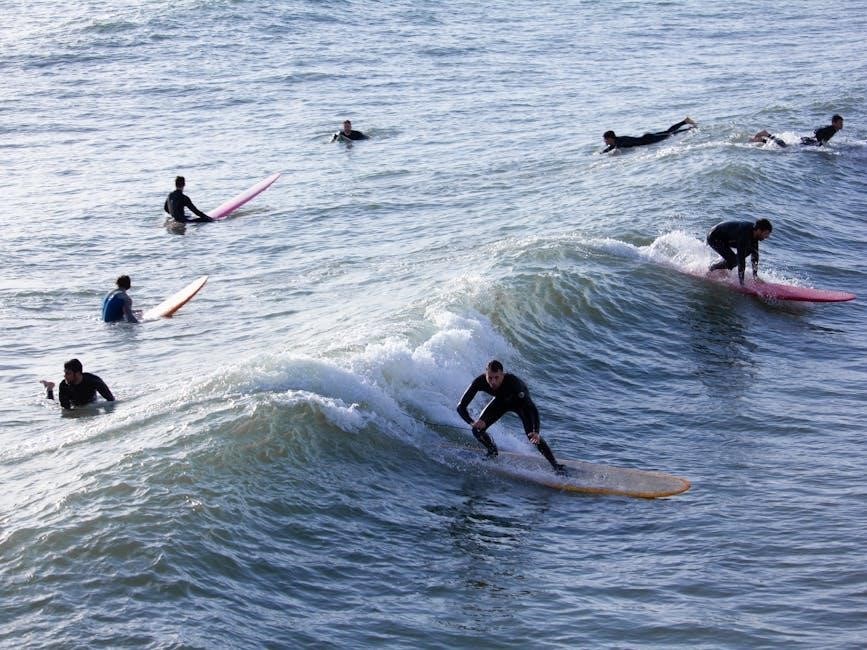
Brands and Models to Consider
Numerous brands offer excellent shortboards, catering to all skill levels. Explore options from popular manufacturers and discover recommended models for beginners and experts;
Popular Shortboard Brands
The surfboard market boasts a diverse range of brands, each with a unique approach to shortboard design and construction. Channel Islands is a perennial favorite, renowned for its high-performance shapes favored by professional surfers. Firewire consistently pushes boundaries with innovative technologies like Timbertek and Helium construction. Lost Surfboards, created by Matt Biolos, offers a wide variety of models, from everyday drivers to specialized performance boards.
Hayden Shapes, known for its Hypto Krypto model, blends accessibility with performance. Lib Tech utilizes eco-friendly materials and unique construction techniques. JS Industries, founded by Jason Stevenson, delivers boards with exceptional responsiveness and control. These brands represent a solid starting point for anyone seeking a quality shortboard.
Recommended Shortboard Models for Beginners
Transitioning to a shortboard requires careful consideration, especially for beginners. The Haydn Shapes Hypto Krypto is a popular choice, offering a blend of paddle power and maneuverability. The Lost Puddle Jumper provides a forgiving ride with ample volume for easier wave catching. Firewire’s Seaside model is another excellent option, known for its user-friendly design and responsiveness.
Consider a slightly wider and thicker shortboard initially to enhance stability. These models offer a smoother learning curve, allowing beginners to develop fundamental skills before progressing to more performance-oriented shapes. Remember to prioritize volume and paddle power!
High-Performance Shortboard Options
For experienced surfers seeking maximum performance, several shortboard models stand out; The Pyzel Ghost is renowned for its speed, responsiveness, and ability to handle powerful waves. The CI Fred Rubble, designed by Channel Islands, excels in hollow, critical conditions, offering exceptional control. The JS Monsta 8 is a versatile option, performing well in a variety of wave types.
These boards typically feature lower volumes, refined rockers, and performance-focused tail shapes. They demand a high level of skill and are best suited for surfers comfortable with aggressive maneuvers and steep drops.

Taking Care of Your Shortboard
Proper storage, careful transportation, and prompt ding repair are crucial for maintaining your shortboard’s performance and extending its lifespan significantly.
Storage and Transportation
Protecting your shortboard during storage and transport is paramount to prevent damage. Always store your board in a surfboard bag, away from direct sunlight and extreme temperatures, which can delaminate the fiberglass. Ideally, a cool, dry place is best.
When transporting, utilize surfboard racks on your vehicle or a dedicated surfboard travel bag. Never leave your board exposed on a hot car roof! Secure it firmly to prevent movement and potential impacts. Consider using foam padding for extra protection during travel, especially for longer distances. Careful handling extends your board’s life.
Repairing Dings and Damage
Dings and damage are inevitable with surfboard use, but prompt repair prevents further issues. Small dings can often be fixed with ding repair kits, involving cleaning, applying resin, and sanding smooth. Larger cracks or fractures require professional repair from a skilled shaper.
Ignoring damage allows water to seep into the foam core, causing delamination and weakening the board. Regularly inspect your board for any signs of damage and address them quickly. Proper repair maintains performance and extends the lifespan of your valuable shortboard investment.
Maintaining Your Board’s Performance
Consistent performance relies on regular board maintenance. After each surf session, rinse your shortboard thoroughly with fresh water to remove salt and sand, preventing corrosion. Inspect fins for damage and ensure they are securely attached.
Wax your board regularly for optimal grip, and consider using a rail protector to prevent dings during transport. Store your board in a board bag, away from direct sunlight and extreme temperatures. A well-maintained board will provide years of enjoyable surfing!