
Tractor Tire Size Guide: A Comprehensive Overview (Updated 12/03/2025)
Tractor Supply offers diverse tire options, including row crop and flotation tire RCI charts, alongside crucial width and height considerations for optimal performance.
Understanding Tractor Tire Basics
Tractor tires are fundamental to performance, influencing traction, fuel efficiency, and soil compaction. Selecting the correct tire involves understanding key components and how they interact with your specific tractor application. Tractor Supply provides a wide array of options, but knowing the basics is crucial. Tire size isn’t simply about diameter; it’s a complex code revealing width, aspect ratio, and rim compatibility.
Different tire types – agricultural (R-1), flotation (R-2), industrial, and specialty – cater to varying needs. Agricultural tires excel in field work, while flotation tires minimize soil impact. Industrial tires prioritize durability on hard surfaces. Understanding these distinctions, alongside the importance of matching front and rear tire sizes for balance, forms the foundation of informed tire selection. Proper tire choice directly impacts operational efficiency and longevity.
What Do Tractor Tire Numbers Mean?
Tractor tire numbers aren’t random; they’re a coded system detailing crucial specifications; A typical designation, like 540/80 R38, breaks down as follows: 540 represents the section width in millimeters, indicating the tire’s widest point when mounted. The ‘80’ signifies the aspect ratio – the sidewall height as a percentage of the section width. ‘R’ denotes radial construction, a common modern design. Finally, ‘38’ specifies the rim diameter in inches, dictating the wheel size the tire fits.
Understanding these numbers is vital for ensuring proper fit and performance. Incorrect sizing can lead to instability, inaccurate speed readings, and even damage to the tire or tractor. Resources like Tractor Supply’s charts help decode these designations, allowing for informed decisions when replacing or upgrading tires.
Decoding Tire Size Designations
Decoding tire size designations involves understanding a standardized system. For instance, a tire marked “18.4R38” reveals key details. “18.4” denotes the approximate section width in inches, while ‘R’ confirms radial construction – offering benefits like improved fuel efficiency and handling. The ‘38’ indicates the rim diameter in inches, crucial for compatibility. Different systems exist; metric sizes, like 540/80 R38, use millimeters for width.
Furthermore, speed and load indices are often included, signifying the maximum safe speed and weight capacity. Consulting charts, such as those available at Tractor Supply, is essential for accurate interpretation. Correctly decoding these designations ensures optimal tractor performance, safety, and prevents premature tire wear.
Tire Size Components: Section Width, Aspect Ratio, and Rim Diameter
Understanding tire size components is fundamental. Section width, measured in inches or millimeters, represents the tire’s widest point when mounted. The aspect ratio, expressed as a percentage, defines the sidewall height relative to the section width – a higher ratio means a taller sidewall, providing a smoother ride. Crucially, the rim diameter, also in inches, dictates the wheel size the tire is designed to fit.
These three elements work in concert to determine overall tire diameter and influence factors like ground clearance and stability. Tractor Supply resources emphasize matching these components correctly to avoid fitment issues and ensure optimal tractor performance. Incorrect sizing can lead to inaccurate speedometer readings and compromised handling.
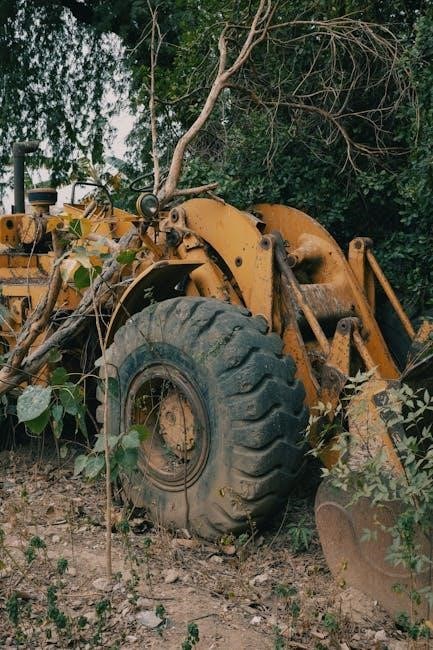
Types of Tractor Tires
Tractor tires vary: agricultural (R-1), flotation (R-2), industrial, and specialty types like turf, rib, and forestry, each suited for distinct applications.
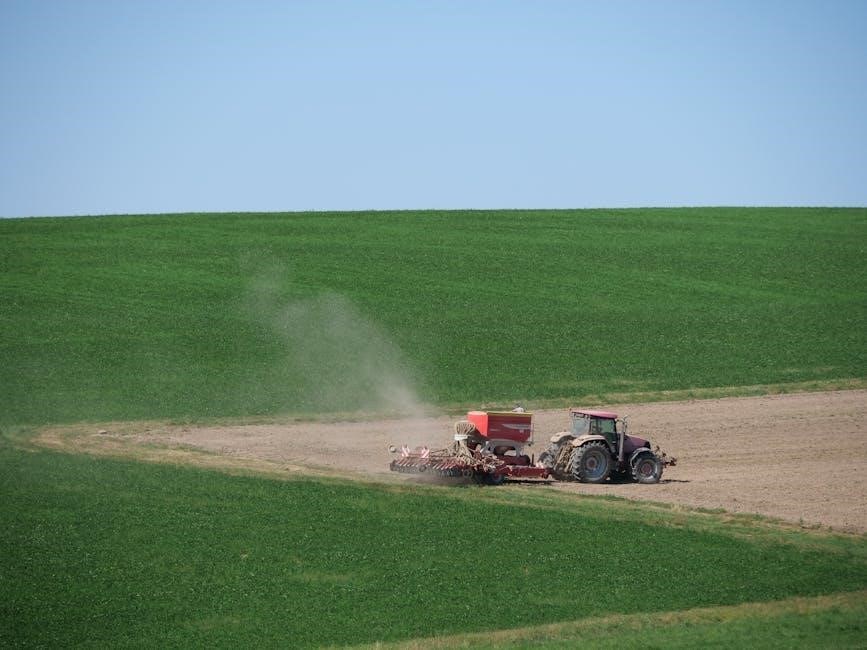
Agricultural (R-1) Tires
Agricultural (R-1) tires represent the standard for general farming applications, designed to deliver a versatile blend of traction, durability, and handling across varied field conditions. These tires feature a deep lug pattern, providing excellent grip in soil, while maintaining a comfortable ride on harder surfaces. They are commonly used for tasks like plowing, tilling, planting, and hauling.
The R-1 designation signifies compliance with specific industry standards, ensuring a consistent level of performance and quality. When selecting R-1 tires, consider the tractor’s horsepower, the type of soil you typically work with, and the specific tasks you’ll be performing. Proper inflation is crucial for maximizing tire life and efficiency. Regularly check and adjust tire pressure according to the manufacturer’s recommendations to optimize performance and minimize soil compaction. Agricultural tires are a cornerstone of efficient farming operations.
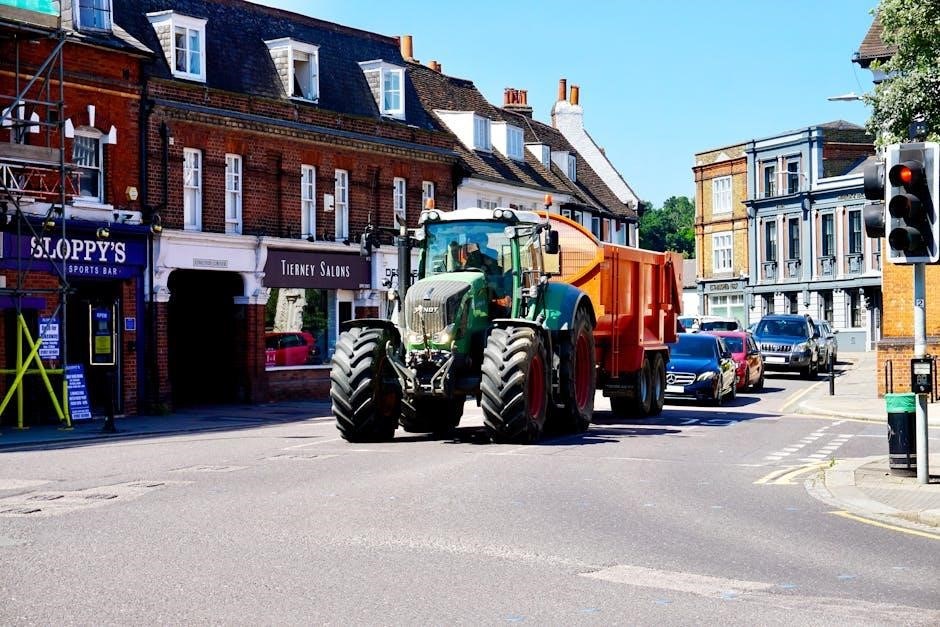
Flotation Tires (R-2)
Flotation tires (R-2) are engineered to minimize soil compaction and maximize traction in soft or muddy field conditions. Featuring a wider footprint and a lower inflation pressure capability than standard R-1 tires, they distribute the tractor’s weight over a larger area, reducing the impact on the soil structure. This is particularly beneficial for sensitive crops and no-till farming practices.
The R-2 designation indicates these tires meet specific standards for flotation performance. They are ideal for applications where preserving soil health is paramount, such as harvesting forages or operating in wet, heavy soils. While offering superior flotation, R-2 tires generally have a slightly lower load-carrying capacity compared to R-1 tires. Careful consideration of load requirements and operating conditions is essential when selecting flotation tires for your tractor.
Industrial Tires
Industrial tires are specifically designed for use on tractors operating primarily on hard surfaces like pavement, gravel, or industrial yards. Unlike agricultural tires, they feature a deep, aggressive tread pattern constructed from a durable rubber compound to resist cutting and wear. This tread design provides excellent traction and stability on non-agricultural terrains.
These tires excel in applications such as loading, hauling, and general material handling. They offer improved ride comfort and reduced noise levels compared to agricultural tires when used on hard surfaces. However, industrial tires are generally not suitable for extensive field work due to their limited flotation and potential for soil damage. Selecting the correct industrial tire ensures optimal performance and longevity in demanding work environments.
Specialty Tires: Turf, Rib, and Forestry
Specialty tires cater to niche tractor applications demanding unique performance characteristics. Turf tires minimize ground disturbance, ideal for lawns and sensitive surfaces, featuring a specialized tread pattern. Rib tires, with their distinct lug design, provide excellent traction in row crops and offer a smooth ride on roads. They’re often seen on vineyard and orchard tractors.
Forestry tires are built for rugged terrain, offering superior grip and puncture resistance in challenging woodland environments. These tires feature reinforced casings and aggressive tread patterns to navigate logs, rocks, and steep slopes. Choosing the right specialty tire maximizes efficiency and minimizes damage in specific operational contexts, ensuring optimal tractor performance for specialized tasks.
Matching Tire Size to Tractor Application
Tractor applications—row crops, loaders, and compact models—require specific tire sizes for optimal performance, stability, and efficiency, impacting overall operational success.
Row Crop Tractors: Tire Size Considerations
Row crop tractors demand careful tire selection to minimize soil compaction between rows and maximize crop yields. Understanding minimum row width requirements is paramount; a front tire of 18 inches typically necessitates a rear tire accommodating a 20-inch row, scaling up with wider configurations.
Selecting the appropriate tire size directly influences the tractor’s ability to navigate fields without damaging plants. Flotation tires, while offering reduced compaction, may require adjustments to maintain proper clearance. Agricultural tire RCI charts are invaluable resources for determining suitable sizes based on load capacity and operating speeds.
Consider the tractor’s horsepower and the implements it will pull; heavier loads necessitate wider tires for improved stability and traction. Maintaining consistent tire width and height ratios between the front and rear axles is crucial for balanced handling and efficient power transfer. Careful planning ensures optimal performance in row crop applications.

Loader Tractors: Optimal Tire Choices
Loader tractors, frequently used for lifting and material handling, require tires prioritizing stability and load-carrying capacity. Industrial tire patterns are often preferred for their durability on hard surfaces, while agricultural tires offer better traction in softer conditions. The Michelin CrossGrip tire, now available in 540/80 R38, presents an all-season option suitable for loaders.
Tire width significantly impacts stability; wider tires provide a larger footprint, reducing the risk of tipping. However, increased width can also affect maneuverability in confined spaces. Consider the typical load weights and operating environment when selecting a size.
Maintaining proper tire pressure is critical for maximizing load capacity and minimizing wear. Regularly inspect tires for damage and ensure consistent sizes on both axles to preserve balanced handling and prevent undue stress on the tractor’s components. Prioritize robust construction for longevity.
Compact Tractors: Selecting the Right Size
Compact tractors demand careful tire selection, balancing versatility with operational needs. Common sizes for these machines (under 40 HP) often prioritize maneuverability and minimal soil compaction. Flotation tires (R-2) are excellent choices for lawns and gardens, distributing weight effectively to protect turf. Agricultural (R-1) tires provide better traction for field work.
Consider the primary applications – mowing, landscaping, or light material handling – when determining the ideal tire width and height. Narrower tires enhance maneuverability, while wider tires improve stability. Always check for adequate clearance to avoid rubbing during turns.
Maintaining consistent tire sizes front and rear is crucial for balanced handling. Regularly inspect tires for wear and damage, and adhere to recommended inflation pressures for optimal performance and longevity.
Tire Size and Minimum Row Width
Determining the appropriate tire size relative to row width is critical for row crop tractors, preventing damage to plants. A minimum recommended row width chart guides this selection, correlating front tire width (18″, 20″, 22″, 24″, 26″, 28″, 32″) with suitable rear tire configurations. Careful consideration ensures adequate clearance for maneuvering between rows without crop interference.
Larger tire sizes generally necessitate wider row spacing. Conversely, narrower tires allow for cultivation in tighter rows. Always consult the tractor manufacturer’s specifications and the tire RCI chart to confirm compatibility. Incorrect tire selection can lead to reduced efficiency and potential crop loss.
Prioritize accurate measurements and adherence to recommended guidelines for optimal row crop performance and plant health.
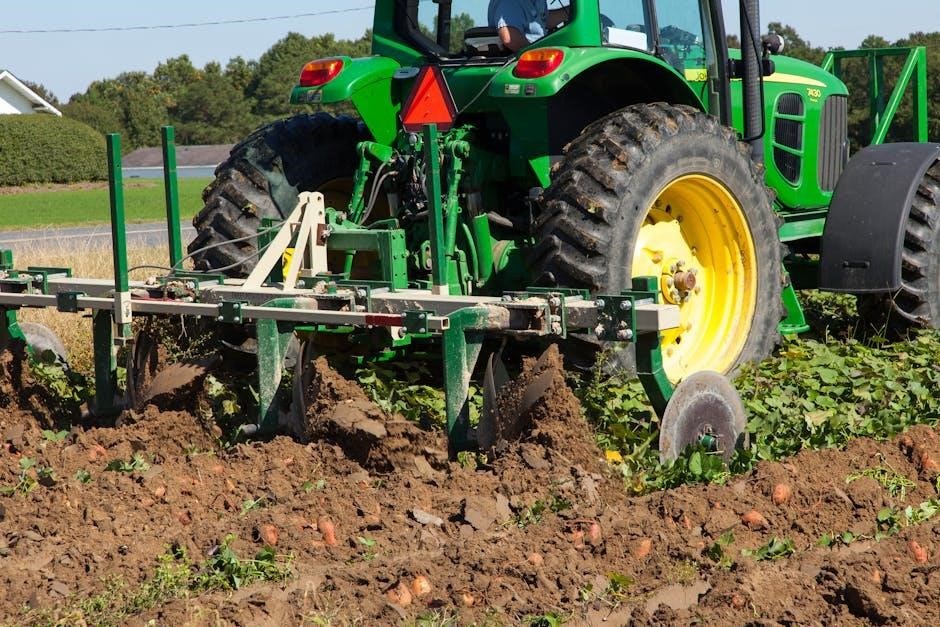
Tire Size Charts & Resources
Tractor Supply provides valuable resources, including agricultural tire RCI charts for row crops and flotation tires, aiding in informed size selection.
Agricultural Tire RCI Chart (Row Crop)
Agricultural Tire Row Crop RCI charts are essential tools for farmers needing precise tire specifications for optimal performance in row crop applications. These charts detail crucial information, linking tire size to recommended row widths, ensuring adequate clearance and minimizing crop damage. Understanding the RCI (Rim, Configuration, and Inflation) is paramount for safe and efficient operation.
The charts typically list front tire sizes alongside corresponding minimum recommended row widths – ranging from 18 inches to 32 inches or more – and rear tire options. Careful consideration of these parameters prevents soil compaction and maximizes productivity. Selecting the correct tire size directly impacts tractor stability and maneuverability within the field. Tractor Supply offers access to these vital charts, empowering informed decisions for row crop management.
Agricultural Tire RCI Chart (Flotation)
Agricultural Tire Flotation RCI charts are indispensable for farmers prioritizing reduced soil compaction and enhanced traction in challenging field conditions. These charts provide critical data linking tire size to appropriate inflation pressures and rim configurations, maximizing the tire’s load-carrying capacity while minimizing ground disturbance. Understanding the RCI (Rim, Configuration, and Inflation) is key to optimizing flotation performance.
Flotation tire charts often feature larger tire dimensions designed to distribute weight over a wider surface area. Selecting the correct size and inflation pressure is crucial for preventing sinkage and maintaining productivity in soft soils. Tractor Supply provides access to these charts, enabling farmers to make informed decisions that protect valuable topsoil and improve operational efficiency. Proper utilization of these charts ensures long-term soil health and sustainable agricultural practices.
Tire Diameter Range and Speed Index
Tire diameter significantly impacts tractor performance, influencing ground speed, fuel efficiency, and overall stability. A larger diameter generally equates to a higher top speed, while a smaller diameter provides increased torque for demanding tasks. Understanding the available diameter range for your tractor model is paramount when selecting replacement tires.
The speed index, often indicated on the tire sidewall, denotes the maximum safe operating speed. Exceeding this limit can compromise tire integrity and potentially lead to failure. Standard, low-section, and large-volume tires each have varying speed index ratings. It’s crucial to match the tire’s speed index to your typical operating conditions. Always prioritize safety and adhere to manufacturer recommendations regarding speed limitations to ensure a prolonged tire lifespan and safe operation.
Tire Width and Height Considerations
Tire width affects soil compaction, while height influences tractor dimensions and clearance; careful combinations are vital to avoid operational issues and maintain stability.
Impact of Tire Width on Soil Compaction
Tire width significantly influences soil compaction levels within agricultural fields, directly impacting root development, water infiltration, and overall soil health. Narrower tires concentrate the tractor’s weight onto a smaller surface area, leading to increased compaction, especially in moist soil conditions. This compaction restricts root growth, hindering nutrient uptake and potentially reducing crop yields.
Conversely, wider tires distribute the weight over a larger area, minimizing ground pressure and reducing compaction. This is particularly beneficial for sensitive soils or during operations like harvesting when the soil is already vulnerable. Flotation tires, characterized by their wider footprints, are specifically designed to minimize compaction in these scenarios. However, wider tires can sometimes increase rolling resistance, potentially impacting fuel efficiency. Selecting the appropriate tire width requires balancing the need for reduced compaction with considerations for operational efficiency and specific soil types.
Tire Height and Overall Tractor Dimensions
Tire height, a crucial component of overall tractor dimensions, directly affects ground clearance, stability, and the tractor’s ability to navigate varied terrains. Taller tires increase ground clearance, enabling operation over obstacles and reducing undercarriage damage. However, increased height also raises the tractor’s center of gravity, potentially impacting stability, particularly on slopes or uneven ground.

Conversely, shorter tires lower the center of gravity, enhancing stability but reducing ground clearance. The overall tractor height, including the tires, must be carefully considered in relation to low-hanging obstacles like branches or structures. Furthermore, tire height influences the tractor’s speed and power transfer efficiency. Selecting the appropriate tire height involves balancing these factors to optimize performance for specific applications and operating conditions, ensuring safe and efficient operation.
Clearance Issues: Height/Width Combinations
Careful consideration of tire height and width combinations is paramount to avoid operational issues. Excessive width can lead to interference with row markers, crop rows, or machinery during field operations. Similarly, increased height may cause clearance problems with low-hanging structures, power lines, or transport limitations on roadways.
The interplay between these dimensions demands a holistic approach. A wider tire generally requires more vertical clearance, and a taller tire necessitates greater horizontal space. It’s vital to assess the specific operating environment and potential obstacles. Sizes in bold italic text are available from certain manufacturers, but always verify fitment. Prioritizing appropriate combinations prevents damage to both the tractor and surrounding infrastructure, ensuring efficient and safe operation.
Popular Tractor Tire Sizes
Tractor owners frequently select sizes based on horsepower; smaller tractors (<40 HP) utilize common sizes, while larger models (100+ HP) demand standard dimensions.
Common Sizes for Small Tractors (Under 40 HP)
For tractors operating under 40 horsepower, selecting the appropriate tire size is crucial for maneuverability, traction, and overall efficiency. Common sizes in this category often include 24×12-12, 26×12-12, and 28×12-12, frequently utilized for lawn tractors and smaller utility machines. These dimensions balance affordability with adequate performance for typical tasks like mowing, light hauling, and landscaping.
However, variations exist depending on the specific application. For instance, a compact tractor engaged in heavier work might benefit from a 26×14-12 or even a 28×14-12 to enhance stability and load-carrying capacity. It’s important to consider the terrain and the primary uses of the tractor when making a selection. Always prioritize matching the tire size to the tractor’s specifications and rim diameter to ensure a safe and effective fit. Proper tire inflation is also vital for optimal performance and longevity.
Frequently Used Sizes for Medium Tractors (40-100 HP)
Medium-sized tractors, ranging from 40 to 100 horsepower, demand tires capable of handling more substantial workloads. Popular choices within this range include sizes like 18.4×30, 20.8×38, and 24.5×32, offering a balance between flotation, traction, and durability. These tires are commonly found on row crop and utility tractors used for tasks such as plowing, discing, and hauling implements.
The specific size selected often depends on the tractor’s intended use and the soil conditions. For example, a tractor primarily used for row crop work might favor narrower tires to minimize soil compaction, while a tractor engaged in heavier field operations might benefit from wider tires for increased flotation and traction. Maintaining correct tire pressure and matching front and rear tire sizes are crucial for stability and efficient operation.
Standard Sizes for Large Tractors (Over 100 HP)
Large tractors, exceeding 100 horsepower, require robust tires designed for demanding agricultural applications. Common sizes include 380/90R46, 420/80R46, 460/85R38, and the increasingly popular 540/80 R38, like those offered by Michelin’s CrossGrip range for loaders and telehandlers. These tires provide superior traction, flotation, and load-carrying capacity for heavy implements and challenging field conditions.
Selecting the appropriate size is vital for maximizing efficiency and minimizing soil compaction. Wider tires distribute weight over a larger area, reducing ground pressure. Ensuring proper tire pressure and maintaining consistent front-to-rear tire sizes are paramount for tractor stability and optimal performance. Consideration of height and width clearance is also essential to avoid interference with the tractor’s structure.

Tire Size and Tractor Stability
Maintaining tractor balance necessitates correct tire sizes, ensuring matched front and rear configurations for safe operation and preventing instability during field work.
Maintaining Tractor Balance with Correct Tire Sizes
Achieving optimal tractor stability hinges on selecting and maintaining correctly sized tires. An imbalance between front and rear tire sizes significantly compromises handling and safety, particularly on uneven terrain or during heavy loads; Unequal tire diameters can induce stress on the drivetrain, leading to premature wear and potential mechanical failures.
Careful consideration must be given to the overall tractor dimensions and weight distribution when choosing tire sizes. Larger rear tires generally provide increased traction and pulling power, while appropriately sized front tires ensure steering responsiveness and prevent instability. It’s crucial to adhere to manufacturer recommendations regarding tire size combinations to maintain the tractor’s intended balance and performance characteristics. Regularly inspecting tire pressures and ensuring consistent wear patterns across all tires further contributes to a stable and safe operating experience.
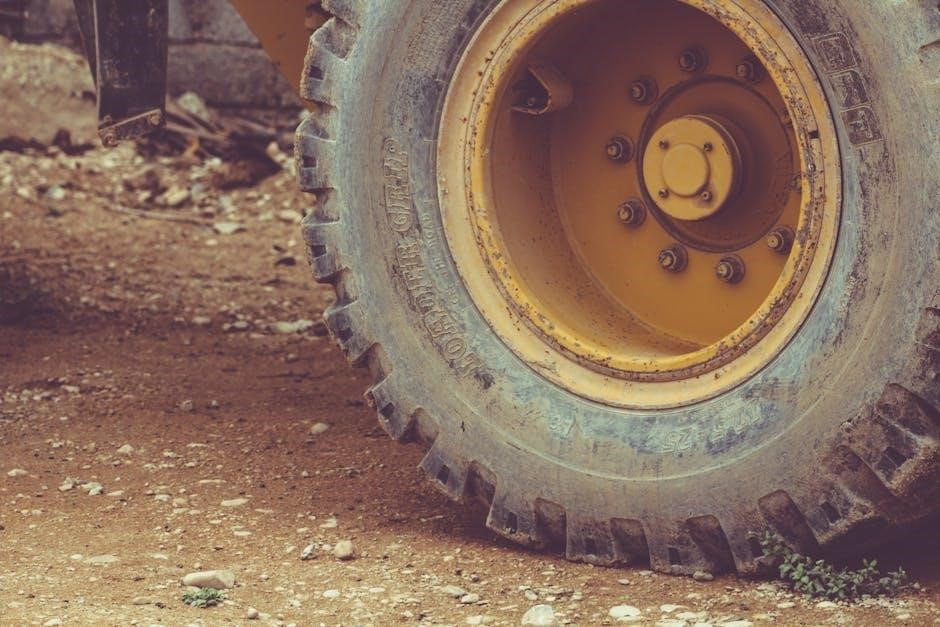
The Importance of Matching Front and Rear Tire Sizes
Maintaining proportional front and rear tire sizes is paramount for safe and efficient tractor operation. Discrepancies in diameter create a rolling circumference difference, forcing the tractor to constantly compensate, stressing the axles and transmission. This leads to reduced steering control, increased fuel consumption, and accelerated component wear. A mismatched setup compromises the tractor’s ability to navigate slopes and uneven ground effectively, potentially leading to rollovers.

Ideally, front and rear tires should have similar overall diameters, within a reasonable tolerance specified by the manufacturer. While slight variations might be acceptable in certain applications, significant differences are detrimental. Prioritizing matched tire sizes ensures balanced weight distribution, predictable handling, and prolonged tractor lifespan. Regular inspection and replacement of tires in sets, rather than individually, are best practices for maintaining optimal balance.
Michelin CrossGrip Tire Sizes (Including 540/80 R38)
Michelin’s CrossGrip tire range provides versatile, all-season performance for loaders, telehandlers, and smaller tractors. Recently, Michelin expanded this line with the introduction of a 540/80 R38 size, becoming the largest offering within the CrossGrip family. This new size caters to the growing demand for larger tires on these machines, enhancing traction and stability.
The CrossGrip tires are designed to deliver superior grip on various surfaces, from hard-packed soil to grass and gravel. They feature an innovative tread pattern optimized for both road and field use. Beyond the 540/80 R38, the range encompasses numerous sizes to fit a wide array of equipment. Checking the Firestone Europe range can reveal additional agricultural tire sizes available, including those with bold italic text indicating availability.