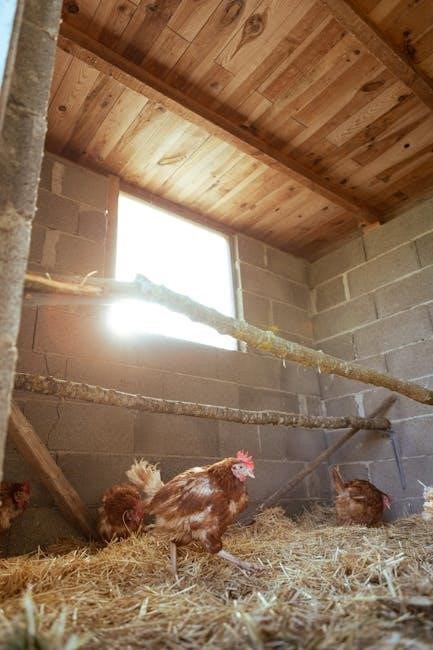
Manual chicken coop doors offer a reliable, cost-effective solution for securing your flock. These doors, unlike automated systems, rely on the keeper’s direct operation, providing consistent control and eliminating potential electronic failures.
Choosing a manual door prioritizes simplicity and affordability, appealing to those seeking a dependable method for predator protection and chicken management.
What is a Manual Chicken Coop Door?
A manual chicken coop door is a traditionally operated access point for your chickens, requiring physical interaction to open and close. Unlike automatic doors utilizing timers or sensors, these doors depend entirely on the chicken keeper’s routine.
Typically constructed from wood or metal, they feature a secure latching mechanism, ensuring predator protection when closed. This simple design offers a dependable, low-tech solution for managing your flock’s access to the outdoors.
Why Choose a Manual Door Over Automatic?
Manual doors excel in reliability, bypassing the potential for electronic malfunctions inherent in automatic systems. They are significantly more affordable, eliminating the cost of motors, sensors, and timers.
Furthermore, manual operation allows for personalized monitoring of your flock, addressing concerns about automatic systems failing to account for unexpected circumstances or predator activity, as noted in online discussions.
Planning Your Manual Chicken Coop Door
Careful planning is crucial for a functional and secure manual door. Assess your coop’s structure, determine optimal door size and placement, and select durable materials for longevity.
Assessing Your Coop Structure
Begin by thoroughly examining your existing chicken coop. Note the wall construction – wood, metal, or a combination – and its overall stability. Identify potential mounting points for the door frame, ensuring they can support the door’s weight and withstand repeated use.
Consider the coop’s foundation; a solid base is vital for secure door installation. Evaluate any existing openings and how a new door will integrate without compromising structural integrity.
Door Size and Placement Considerations
Determine the appropriate door size based on your flock’s breed and number of chickens, allowing comfortable access. Position the door strategically – ideally on the coop’s leeward side to minimize weather exposure. Ensure sufficient headroom above the door for easy operation.
Consider predator access; avoid placing the door in a low-lying area prone to digging.
Material Selection: Wood, Metal, and Hardware
For the door frame and panel, durable, weather-resistant wood like cedar or pressure-treated pine is ideal. Metal reinforcements can deter predators. Choose galvanized or stainless steel hardware – hinges, latches, and screws – to prevent rust and ensure longevity.
Prioritize robust materials for security and withstand harsh environmental conditions.
Building the Door Frame
Constructing a sturdy frame is crucial for a functional door. Use appropriately sized lumber, ensuring it aligns with the coop opening. Precise measurements and secure joinery are essential for stability.
Framing Materials and Dimensions
For the frame, pressure-treated lumber resists rot and extends lifespan, while standard pine offers a cost-effective alternative. Dimensions depend on coop size, but 2x4s are common for robust support.
Consider the door’s width and height, allowing for slight overlap for a secure seal. Ensure the frame is square; accurate angles prevent sticking and ensure smooth operation.
Reinforce corners with metal brackets for added durability.
Ensuring Squareness and Stability
Achieving a perfectly square frame is crucial for smooth door operation. Utilize a carpenter’s square to verify 90-degree angles at each corner during assembly. Diagonal measurements should be equal, confirming squareness.
Bracing the frame with corner supports and screws enhances stability, preventing warping or shifting over time. A solid, stable frame is essential for predator resistance.
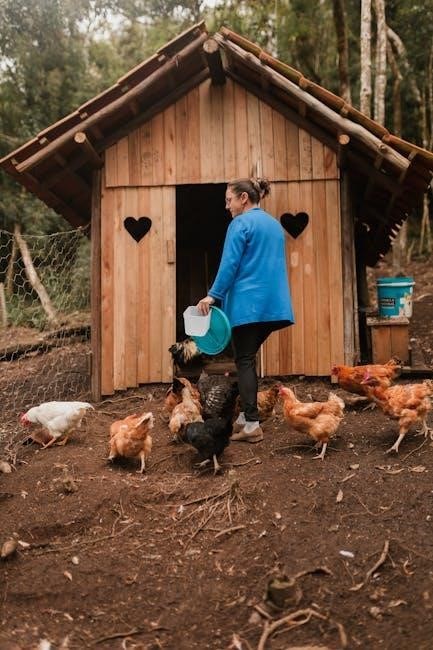
Constructing the Door Itself
Building the door panel involves selecting durable materials and a robust design. Consider plywood or solid wood, ensuring it slightly overlaps the frame for a secure closure against predators.
Door Panel Design and Construction
Designing the door panel requires balancing simplicity with strength. A solid core panel, constructed from plywood or sturdy boards, provides excellent durability. Ensure the panel is slightly larger than the opening, creating an overlapping seal when closed.
Reinforce corners with bracing for added stability. Consider the weight; a lighter panel is easier to operate manually, while a heavier one offers increased predator resistance.
Adding Reinforcements for Predator Protection
Predator protection is paramount when building a manual coop door. Reinforce the door panel’s edges with metal angle iron or heavy-duty wood framing. Secure hinges and latches with long, robust screws, reaching into the coop’s structural supports.
Consider adding a layer of hardware cloth to the door’s interior, preventing digging predators from gaining access. A well-fortified door is a crucial defense.
Hinges and Latches: Security is Key
Robust hinges and latches are vital for a secure manual chicken coop door. Choose durable, galvanized hardware to withstand weather and prevent easy access by predators.
Choosing Durable Hinges
Selecting the right hinges is crucial for a long-lasting, secure manual chicken coop door. Opt for heavy-duty, galvanized steel hinges to resist rust and corrosion from exposure to the elements.
Consider hinges designed for exterior use, capable of supporting the door’s weight and withstanding repeated opening and closing.
Ensure they are securely mounted to both the door frame and the coop structure for maximum stability and predator resistance.
Secure Latch Mechanisms: Preventing Escape
A robust latch is paramount to prevent predator access and keep your chickens safely contained. Avoid simple hook-and-eye latches, favoring designs that require multiple actions to open, like spring-loaded latches or carabiner clips.
Ensure the latch is constructed from galvanized steel and securely fastened to both the door and frame.
Regularly inspect and maintain the latch for smooth operation and to deter tampering.
Operation and Ergonomics
Ease of use is crucial for daily coop management. A well-designed manual door should operate smoothly, requiring minimal effort from the chicken keeper, even in inclement weather.
Ease of Use for the Chicken Keeper
A truly effective manual door prioritizes the chicken keeper’s convenience. The design should allow for effortless opening and closing, even with one hand, minimizing daily strain. Consider handle placement and door weight; a lighter door is easier to manage.
Smooth operation, avoiding sticking or excessive friction, is paramount for a positive user experience, ensuring consistent and reliable access to the coop.
Smooth Operation and Minimal Friction
Ensuring a manual chicken coop door operates smoothly is crucial for daily usability. Properly aligned hinges and a well-fitted door panel prevent binding. Lubricating hinges periodically with a weather-resistant grease reduces friction and extends the door’s lifespan.
A door that glides easily minimizes effort for the keeper and avoids startling the chickens during opening and closing routines.
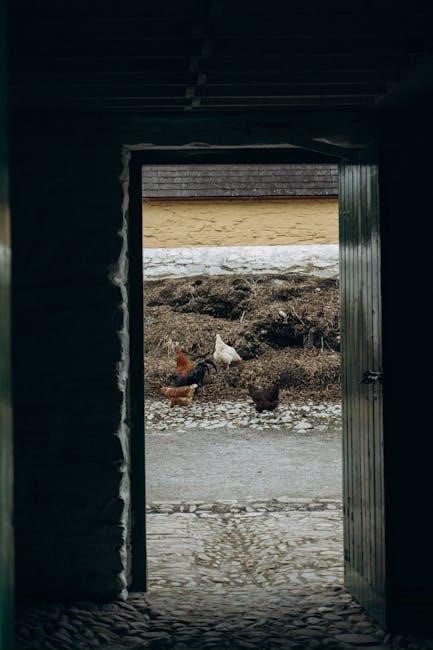
Predator Proofing Your Manual Door
Robust construction and secure hardware are vital for predator defense. Reinforced frames, heavy-duty hinges, and reliable latches deter digging, pushing, and other intrusion attempts.
Reinforced Framing and Hardware
Strengthening the door frame is paramount; utilize thicker lumber or add additional bracing to resist forceful attacks. Hardware selection should prioritize durability – opt for galvanized steel hinges and robust latch mechanisms.
Consider adding metal corner brackets for increased stability. Burying hardware cloth around the coop’s base prevents digging predators, complementing a strong door. Prioritize quality materials for long-lasting security.
Burying Wire Mesh Around the Coop
Digging predators pose a significant threat, even with a secure door. Burying wire mesh, extending at least six inches underground and outward, creates a formidable barrier. This prevents animals from tunneling beneath the coop walls to access your chickens.
Use 1/2-inch hardware cloth for effective protection. Ensure the mesh is securely fastened to the coop’s base to eliminate gaps and maintain a predator-proof perimeter.
Maintenance and Longevity
Regular inspections of hinges, latches, and the door frame are crucial. Addressing minor wear and tear promptly prevents larger issues and extends the door’s lifespan.
Regular Inspections and Repairs
Consistent checks – ideally monthly – should focus on hinge functionality, ensuring smooth operation without excessive rust or looseness. Examine the latch mechanism for secure engagement and any signs of wear.
Address sticking points with lubrication, and tighten any loose screws or bolts immediately. Inspect the door frame for rot or damage, repairing as needed to maintain structural integrity and predator resistance.
Protecting Against Weather Damage
Wood doors benefit from annual sealing or painting with weather-resistant products to prevent rot and warping. Metal components should be treated with rust inhibitors. Ensure proper drainage around the door frame to avoid water accumulation.
Regularly check for gaps or cracks allowing drafts or moisture entry, sealing them promptly. A well-maintained finish extends the door’s lifespan significantly.
Troubleshooting Common Issues
Sticking doors or latches often result from swelling wood or misaligned hardware. Predator damage requires immediate repair, reinforcing weak points to maintain coop security.
Sticking Doors and Latches
Addressing a sticking door typically involves identifying the source of friction. Wood can swell with moisture, causing it to bind within the frame; sanding affected areas can provide relief.
Lubricating hinges with silicone spray or oil ensures smooth operation. Latches may stick due to debris or misalignment – cleaning and adjusting the mechanism are crucial steps. Regularly check for warping or damage.
Predator Attempts and Damage
Evidence of predator attempts – scratches, dents, or broken hardware – demands immediate attention. Reinforce the door frame and latch with heavier-duty materials.
Burying wire mesh around the coop’s perimeter prevents digging predators. Regularly inspect the door for weaknesses and repair any damage promptly to maintain a secure environment for your chickens.
Cost Considerations
Manual door costs are significantly lower than automatic systems, primarily involving lumber, hardware, and hinges. Material choices greatly influence the final price, offering budget-friendly options.
Material Costs Breakdown
Wood, typically pine or cedar, ranges from $30-$80 depending on quality and quantity needed for framing and the door panel itself. Hardware – hinges, latches, screws – can cost $20-$50, prioritizing durability.
Wire mesh for reinforcement adds $15-$30. Consider weatherproofing materials like sealant ($10-$20) to extend the door’s lifespan. Total costs generally fall between $75 and $180, offering a budget-conscious solution.
Comparing Costs to Automatic Systems
Manual doors typically range from $75 to $180 in materials, a significantly lower upfront investment than automatic systems. Automatic doors can easily cost $200-$400, and sometimes exceed $600, including controllers and sensors.
While automatic systems offer convenience, manual doors eliminate ongoing electricity costs and potential repair expenses, making them a financially sensible long-term choice.
DIY vs. Pre-Built Options
Building your own manual door offers customization and cost savings, while pre-built options provide convenience and time efficiency. Consider your skill level and available resources!
Benefits of Building Your Own
Constructing a manual chicken coop door yourself allows for complete customization, perfectly matching your coop’s dimensions and aesthetic. This DIY approach significantly reduces costs compared to purchasing pre-made options, utilizing readily available materials.
Furthermore, building fosters a deeper understanding of your coop’s security, enabling you to reinforce vulnerable points effectively. It’s a rewarding project offering a sense of accomplishment and long-term reliability.
When to Consider a Pre-Made Door
Opting for a pre-made manual chicken coop door is wise if you lack carpentry skills or time for a DIY project. These doors offer convenience and often feature robust construction, ensuring immediate predator protection.
They are particularly beneficial for those seeking a quick, hassle-free solution, or if your coop design presents unique challenges that a custom build can’t easily address.
Safety Precautions During Construction
Prioritize safety when building your manual coop door! Wear safety glasses, gloves, and use tools correctly. Secure workpieces and be mindful of pinch points during assembly.
Using Tools Safely
Always read and understand the manual for each tool before operation. Wear appropriate personal protective equipment, including safety glasses and gloves, to prevent injuries. Keep tools sharp and well-maintained for efficient and safe use.
Ensure a clear and stable workspace, free from obstructions. Never force a tool; let it do the work. Disconnect power tools when changing bits or making adjustments.
Protecting Yourself from Injury
Prioritize personal safety during construction; wear sturdy footwear and work gloves. Be mindful of lifting heavy materials, utilizing proper techniques to avoid strains. Avoid working alone, especially with power tools, and maintain a well-lit workspace.
Keep a first-aid kit readily accessible for minor cuts or scrapes. Regularly assess your work area for potential hazards and address them promptly.
Integrating with Existing Coop Design
Seamless integration requires matching the door’s style to the coop’s aesthetics. Ensure the new door doesn’t impede existing ventilation or access points for cleaning and maintenance.
Matching Aesthetics
Consider the existing style of your chicken coop when selecting materials and designing the manual door. Wood doors blend well with rustic coops, while metal offers a more modern look.
Paint or stain the door to complement the coop’s color scheme, creating a cohesive and visually appealing design. Maintaining a consistent aesthetic enhances the overall appearance of your backyard setup.
Maintaining Coop Ventilation
Ensure the new door doesn’t obstruct existing ventilation. Chickens require fresh air to thrive, preventing moisture buildup and respiratory issues.
If the door covers vents, incorporate additional openings or a screened section into the door’s design. Proper airflow is crucial for a healthy coop environment, even with a secure manual door installed.
Advanced Features (Optional)
Enhance your manual door with a small window for observation or a ramp for easier chicken access. These additions improve functionality and convenience for both you and your flock.
Adding a Window to the Door
Integrating a window into your manual chicken coop door provides a convenient way to check on your flock without fully opening the door, minimizing disturbances and heat loss. Consider using durable, shatter-resistant plexiglass or hardware cloth for safety and visibility.
Position the window strategically for optimal viewing, ensuring it doesn’t compromise the door’s structural integrity or security against predators. A small, securely fastened window adds a practical feature.
Incorporating a Small Ramp
Adding a small ramp to your manual chicken coop door facilitates easier access for chickens, particularly beneficial for heavier breeds or those with leg issues. Construct the ramp from sturdy wood with a textured surface for secure footing.
Ensure the ramp’s angle isn’t too steep, and securely attach it to the door frame. This thoughtful addition enhances your flock’s comfort and encourages independent use of the coop.
Resources and Further Information
Online forums, like Reddit’s r/homeautomation, and websites such as Instructables offer valuable plans and community support for building manual coop doors.
Online Forums and Communities
Engaging with online communities provides a wealth of knowledge and shared experiences regarding manual chicken coop door construction. Reddit’s r/homeautomation frequently discusses DIY coop projects, offering insights into successful builds and troubleshooting common issues.
These forums allow you to connect with fellow chicken keepers, exchange ideas, and receive personalized advice, fostering a collaborative learning environment for your project.
Helpful Websites and Tutorials
Numerous online resources detail manual chicken coop door construction. Instructables features a “Simple Automatic Chicken Coop Door” project, adaptable for manual operation, showcasing a four-year-proven design. Progressive Automations offers guidance, though focused on electric openers, the principles apply to manual builds.
These sites provide step-by-step instructions and visual aids, simplifying the construction process for DIY enthusiasts.
The Value of a Secure Coop Door
A well-constructed manual chicken coop door is paramount for flock safety, safeguarding against predators—a concern highlighted by Reddit’s r/homeautomation discussions emphasizing fencing’s importance. While automation offers convenience, a robust manual door provides reliable security.
Prioritizing a secure latch and reinforced frame ensures peace of mind and a thriving, protected flock.