
Purpose
The purpose of this lock‑out/tag‑out (LOTO) procedure is to protect employees from accidental energization of machinery during maintenance or repair․ It establishes safe work practices, defines responsibilities, and ensures all energy sources are isolated before work begins․ All staff must follow these steps now․

Scope
This lock‑out/tag‑out policy applies to all employees, contractors, and temporary workers who perform or supervise maintenance, repair, or inspection on any equipment that can be energized․ The policy covers all electrical, mechanical, hydraulic, pneumatic, and thermal energy sources, including but not limited to motors, pumps, presses, conveyors, and heating units․ It applies to both permanent installations and portable equipment used in the workplace․ All areas where energy isolation is required, such as production lines, utility rooms, and service bays, are included․ The scope also extends to any process that may inadvertently energize equipment during routine operations, such as startup, shutdown, or routine maintenance․ Employees must follow this policy whenever they are involved in a task that could expose them to hazardous energy․ The policy is mandatory for all departments, and compliance is monitored through regular audits and supervisory oversight․ Failure to comply may result in disciplinary action, up to termination, and may also expose the company to regulatory penalties․
Training covers hazard identification, lockout device selection, and proper use of tagout labels․ Supervisors verify that devices are correctly applied and that all energy sources are de‑energized․ The company maintains a log of all lockout events, including date, time, equipment, and the employee who performed the isolation․ Audits are conducted quarterly to ensure compliance and to identify any gaps in the program and maintain logs daily․!
Employer Responsibilities
Employers must establish, maintain, and enforce a comprehensive lock‑out/tag‑out (LOTO) program that protects employees from accidental energization of equipment during maintenance or repair․ The program requires that all energy sources—electrical, mechanical,hydraulic, pneumatic, and thermal—be identified, isolated, and rendered safe before work begins․ Employers must provide appropriate lockout devices, tagout labels, and energy‑control equipment that are durable, clearly marked, and suitable for the specific hazards․ They must ensure that all employees receive written training on the LOTO policy, the hazards involved, the proper use of devices, and the steps to follow during isolation․ Training must be refreshed annually or whenever equipment or procedures change․ Employers must also designate authorized personnel who are trained to apply and remove lockout devices and to verify that all energy sources are de‑energized․ The company must maintain a log of all lockout events, including the date, time, equipment, and the employee who performed the isolation․ Regular audits of the LOTO program are required to verify compliance, identify gaps, and implement corrective actions․ Employers must provide a safe work environment and must not allow maintenance or repair work to proceed unless the equipment is properly isolated․ They must also ensure that any contractor or temporary worker is informed of the LOTO policy and is trained to follow it․ Failure to comply with the LOTO policy can result in disciplinary action, up to termination, and may expose the company to regulatory penalties․ Employers must maintain records of all training, audits, and incidents for a minimum of five years, as required by OSHA regulations․ All these responsibilities are essential to ensure that employees are protected from the hazards of energized equipment and that the company remains compliant with safety regulations
- Develop and publish a written LOTO policy․
- Identify all energy sources and classify hazards․
- Provide lockout devices and tagout labels․
- Train employees and contractors․
- Designate authorized personnel․
- Maintain lockout logs and records․
- Conduct periodic audits․
- Ensure compliance with OSHA and state regulations․
- Review and update the program annually․
Employee Responsibilities
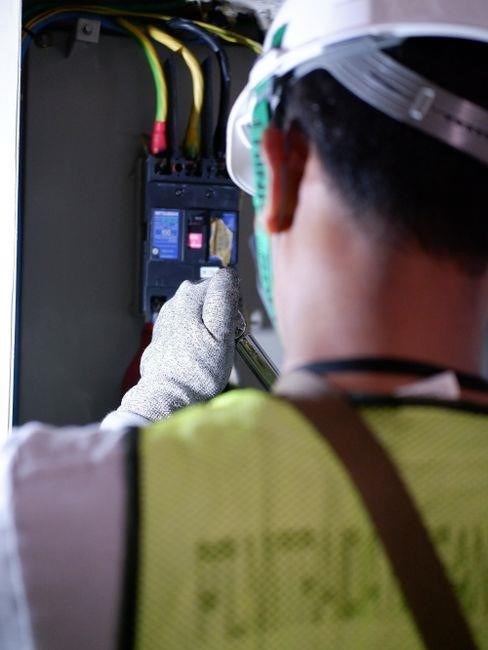
Employees must strictly follow the lock‑out/tag‑out (LOTO) procedures to prevent accidental energization of equipment․ They are required to: identify all energy sources before starting work; ensure that all isolation devices are applied by authorized personnel; verify that the equipment is de‑energized by testing with a calibrated meter; use the correct lockout device and attach a tag that clearly states the name of the employee, date, and reason for isolation; never remove a lock or tag without proper authorization; report any malfunctioning lockout devices or suspicious equipment to the supervisor immediately; participate in all LOTO training sessions and refresher courses; keep the work area clean and free of obstructions that could compromise isolation; and maintain a record of the lockout event in the logbook or electronic system․ Employees must also be vigilant during shift changes, ensuring that all locks are in place before leaving the area․ They should cooperate with maintenance personnel to confirm that all energy sources are isolated before any repair or inspection work begins․ By adhering to these responsibilities, employees help create a safe work environment and reduce the risk of injury․ All employees must also review the lockout log after each job to confirm that all devices have been removed and that the equipment is ready․ They should report any incidents or near‑misses to the safety officer and participate in continuous improvement meetings to refine the LOTO program․ By consistently applying these practices, the workforce ensures that the workplace remains safe and compliant with all regulatory requirements!!!!
Devices
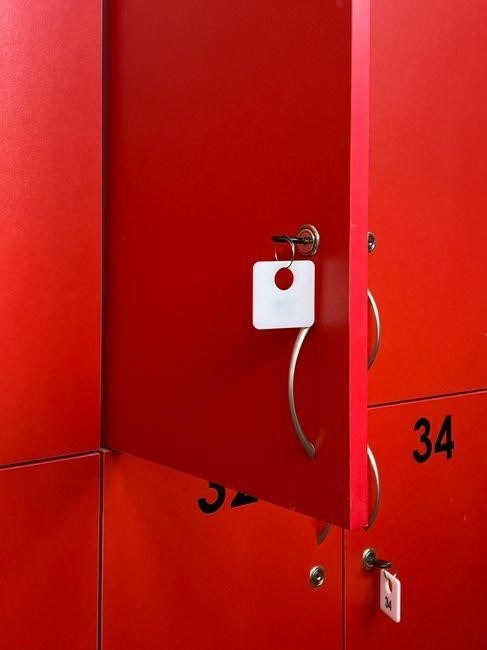
Lockout devices include padlocks, lockout shackles, and lockout brackets․ Tagout devices are warning tags, lock tags, and tag brackets․ Each device must be durable, clearly labeled, and compatible with the energy source․ Proper selection ensures safe isolation․
Inspect annually yearly!․
Lockout Devices
Lockout devices are the primary tools used to physically isolate energy sources during maintenance or repair activities․ These devices must be robust, compatible with the equipment, and capable of withstanding the environmental conditions in which they will be used․ Common types include padlocks, lockout shackles, and lockout brackets․ Padlocks are typically made of hardened steel and come in various sizes to fit different lockout shackles․ Lockout shackles are designed to clamp onto energy isolation points such as circuit breakers, valves, or switches, providing a secure attachment that prevents accidental re‑energization․ Lockout brackets are used when a shackle cannot be applied directly; they clamp onto the energy isolation point and hold the lock in place․ All lockout devices must be clearly labeled with the name of the authorized employee, the date, and the type of energy source being isolated․ Devices should be inspected regularly for signs of wear, corrosion, or damage, and replaced immediately if any compromise is detected․ The selection of a lockout device should consider the type of energy (electrical, mechanical, hydraulic, pneumatic, thermal, or chemical), the magnitude of the force required to operate the device, and the potential for accidental removal․ Proper training is essential; employees must understand the correct placement, secure attachment, removal procedures for each device․ In addition, lockout devices should be stored in a designated area when not in use to prevent loss or misuse․ By ensuring that lockout devices selected, maintained, used, organizations can significantly reduce the risk of accidental energization and protect workers from injury or death!
Tagout Devices
Tagout devices are shown signs that a piece of gear or a system has been isolated and should not be operated until the tag is removed․ They are typically bright colored, often red or orange, and include a tag that lists the name of the approved employee, the date, and the reason for isolation․ The tag must be fixed to the lockout device or the energy isolation point in a manner that is clearly visible and cannot be easily displaced․ Common tagout devices include plastic or metal tags that are fixed to padlocks, shackles, or other lockout hardware․ They may also be fixed directly to the gear’s control panel or switch․ The tag should be made to withstand ambient factors such as vibration, temperature extremes, and chemical risk․ It must also be hard to tearing or fading, ensuring that the info remains readable for the duration of the isolation period․ Employees must be trained to read and understand tagout tags, and to verify that the tag is present before starting work․ Removal of a tagout tag is only permitted by the person who applied it, and only after the gear has been verified to be de‑energized and safe to operate․ Proper use of tagout devices helps prevent accidental startup, reduces the risk of injury, and ensures compliance with safety regulations․ Each tag should also carry a unique identifier, such as a serial number, to facilitate track and audit․ In multi‑shift areas, tags must be replaced or updated whenever a new employee assumes responsibility for the isolated gear․ This ensures compliance․ All tags are inspected daily today․!

Exposure Survey
The exposure survey is a systematic assessment of potential energy sources that may be present in the work area․ It identifies all sources of electrical, mechanical, hydraulic, pneumatic, and thermal energy that could pose a hazard during maintenance or repair․ The survey must be performed before any lock‑out or tag‑out procedure is initiated․ It requires a trained supervisor or designated safety officer to walk through the area, document all energy sources, and verify that each source is properly identified and labeled․ The survey should include a list of equipment, the type of energy, the method of isolation, and the lock‑out device used․ It also records any special conditions, such as temperature extremes, chemical exposure, or vibration that could affect the integrity of the lock‑out devices․ The results of the exposure survey are used to develop a comprehensive lock‑out plan, ensuring that all energy sources are accounted for and that the correct devices are applied․ The survey must be updated whenever equipment is modified, relocated, or when new energy sources are introduced․ All personnel involved in the work must review the exposure survey and confirm that they understand the hazards and the isolation procedures․ This step is critical for preventing accidental energization and for maintaining compliance with regulatory requirements․ The exposure survey is documented in writing and retained as part of the lock‑out/tag‑out records for future reference and audit purposes․ All records are stored for five minimum years․
Energy Control Procedures
Energy control procedures are the systematic steps that must be followed to isolate and secure all sources of energy before work begins․ The process starts with identifying the energy source, shutting it down, and verifying that the equipment is de‑energized․ Once the source is isolated, the responsible employee applies a lock‑out device that physically prevents re‑energization․ A tag‑out device is then affixed to the lock to identify the worker and the reason for isolation․ The lock and tag must be placed on the energy source, not on a nearby switch or control panel, to avoid accidental re‑engagement․ All employees must be trained to recognize the lock‑out and tag‑out devices and to understand that the presence of a lock does not guarantee safety unless the device is properly applied and verified․ Verification is performed by measuring the absence of voltage, pressure, or motion using appropriate test equipment․ If the test confirms de‑energization, the worker may proceed with maintenance․ After work is completed, the lock‑out device is removed only by the employee who applied it, and the tag is taken off; The equipment is then re‑energized following a systematic restart procedure, and all other employees are notified․ Documentation of each step, including the date, time, and personnel involved, is recorded in the lock‑out log for audit and compliance purposes․ The lock‑out log must also record the name of the person who applied the lock, the type of lock used, and the time of removal to ensure traceability․ All lock‑out actions are reviewed weekly by safety officer today!!
Specific Energy-Control Procedures
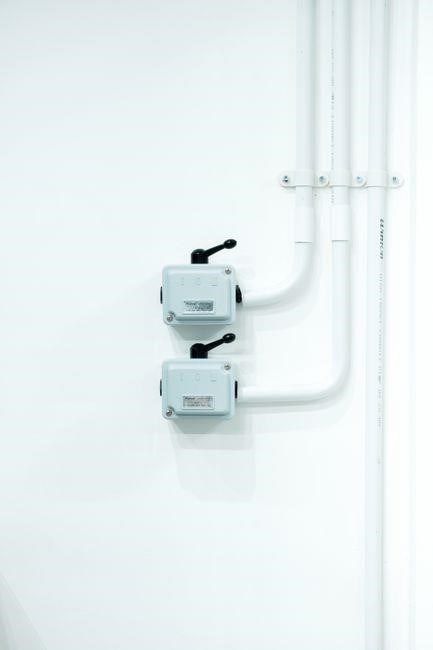
When isolating a particular machine, the worker follows a step‑by‑step protocol that varies by energy type․ For electrical equipment, the worker first shuts down the main breaker, then disconnects the local disconnect switch, and finally verifies zero voltage with a calibrated tester․ For mechanical systems, the worker removes the drive belt, locks the motor shaft, and applies a mechanical lock․ Hydraulic systems require the worker to relieve pressure by opening the relief valve, then seal the inlet and outlet ports with a hydraulic lock․ Pneumatic lines are isolated by closing the air supply valve, venting the line, and placing a pneumatic lock on the valve․ Thermal units are cooled to ambient temperature, then the heat source is shut off and a thermal lock is applied to the control panel․ Chemical processes involve draining the tank, purging the lines, and securing the valve with a chemical lock․ After the lock is in place, the worker records the lock ID, the energy source, and the date/time in the logbook․ Only the person who applied the lock may remove it, and the lock must be removed in reverse order of application․ All steps are reviewed by the safety officer before the machine is re‑energized․ This ensures that no residual energy can cause injury or damage during maintenance․ The procedure also requires that each lock be inspected for integrity before use, that all tags clearly state the reason for isolation, and that the lock‑out log be updated in real time․ Workers must be trained to recognize the different lock types and to perform verification tests for each energy source․ The lock‑out log must include the name of the person who applied the lock, the type of lock used, the energy source, the date and time of application, and the time of removal․ This documentation is essential for compliance audits and for ensuring that the lock‑out procedure is followed consistently across all departments․
Special Situations
When standard lock‑out procedures are insufficient, special situations require extra precautions․ These include emergency shutdowns, equipment with multiple energy sources, rotating machinery with hidden energy paths, and work that cannot be isolated without affecting critical processes․ In such cases the following steps are mandatory:
- Emergency Shutdown: If a sudden hazard occurs, the worker must immediately activate the emergency stop and then apply a lock after verifying that the system is still de‑energized․ The lock must be placed on the emergency stop itself, and a tag must indicate the emergency nature․
- Multi‑Source Isolation: Machines that draw power from both mains and backup generators require simultaneous isolation of all sources․ The worker must lock the main breaker, the generator disconnect, and any battery or capacitor banks, documenting each lock․
- Critical Process Interference: When maintenance must occur on a line that serves a critical process, the worker must coordinate with process control to temporarily divert flow, isolate the line, and then lock it․ A tag must state the diversion and the expected downtime․
- Documentation: All special situations require a detailed report that includes the reason, energy sources isolated, lock identifiers, and the time of application and removal․
These measures reduce accidental energization risks, protecting workers and equipments during complex or emergency scenarioss․

Energized Testing
During energized testing, the equipment remains powered while the worker verifies that all lock‑out devices are correctly applied and that the machine is truly de‑energized․ The worker first confirms that the lock is on the energy source and that the tag indicates the test․ Then, using a calibrated voltage detector, the worker checks all accessible points, including hidden circuits, to ensure no residual voltage exists․ If a voltage is detected, the worker must immediately re‑apply the lock, notify the supervisor, and document the finding․ Only after the detector reads zero volts can the worker proceed to perform the test․ The test itself may involve running the machine at a reduced speed, inspecting mechanical components, or verifying sensor functionality․ Throughout the test, the worker must maintain a safe distance and keep the lock in place․ Once testing is complete, the worker must verify that all test equipment is disconnected, re‑apply the lock if necessary, and remove the tag only after a supervisor confirms that the machine is safe to energize․ All steps are recorded in the log, including the tester’s name, the date, the lock identifier, and any anomalies observed․ This process ensures that energized testing does not compromise worker safety or equipment integrity․
Before initiating energized testing, the worker must wear appropriate personal protective equipment, including insulated gloves, safety glasses, and flame‑resistant clothing․ The area must be cleared of non‑essential personnel, and a warning sign must be posted․ The lock‑out tag should explicitly state “Energized Test” and include the test date and the worker’s initials․ After the test, the worker should perform a final voltage check on all points before removing the lock․ If any point shows voltage, the lock must be re‑applied and the issue investigated․ The supervisor must sign the test log, confirming that all safety checks passed and that the machine is ready for normal operation․ This documentation is essential for compliance audits and for maintaining a record of safe energized work practices․
All records are retained for a minimum of five years․!!!!!!

Contract Service
Contractors performing maintenance or repair on company equipment must comply with the same lock‑out/tag‑out (LOTO) requirements as employees․ Prior to any work, the contractor’s supervisor must receive written authorization from the company’s safety manager․ The contractor must provide proof of LOTO training, a copy of the company’s LOTO policy, and a signed statement that all lock‑out devices will be applied to the energy source before work begins․ During the job, the contractor must use only the company’s approved lock‑out devices and must attach a tag that clearly identifies the contractor’s name, the date, and the nature of the work․ The contractor must also coordinate with the company’s designated lock‑out coordinator to ensure that the lock is applied to the correct energy source and that the tag is visible to all personnel․ After the work is completed, the contractor must remove the lock, verify that the equipment is de‑energized, and hand over a completed work‑order form to the company’s safety manager․ All documentation, including the contractor’s training certificates, the lock‑out log, and the final sign‑off sheet, must be retained for a minimum of five years․ Failure to follow these procedures may result in suspension of the contractor’s access to company facilities and potential legal liability․ The safety manager will review the lock‑out log and sign the final approval sheet before the contractor is cleared to return to the work area․ Allrecords are stored electronically and in hard copy for audit purposes, ensuring compliance with

Group Lockout
Group lockout is a coordinated approach to isolate multiple machines or a single machine that has several energy sources․ When a maintenance team must work on a complex system, each member applies a lock to every relevant energy isolation point․ The process begins with a pre‑work meeting where the lead technician verifies that all equipment is identified, the required lock‑out devices are available, and the lock‑out schedule is documented․ Each worker then selects a lock that matches the energy source type, affixes it to the isolation device, and attaches a tag that lists the worker’s name, the date, and the task․ All tags must be visible and readable from a distance of at least 10 feet․ The lead technician reviews the lock‑out list, confirms that every lock is in place, and signs a group lockout sheet․ Only after the sheet is signed may the team begin work․ If a new energy source is discovered during the job, the team must pause, apply a lock, and update the sheet․ When the work is finished, each worker removes his or her lock, verifies that the equipment is de‑energized, and signs the release form․ The lead technician then verifies the removal of all locks, confirms that the equipment is ready for operation, and signs the final release․ All documentation, including the group lockout sheet, individual lock‑out logs, and the final release form, is filed in the maintenance records archive for a minimum of five years․ This procedure ensures that no single employee can inadvertently energize a machine while others are still working, thereby reducing the risk of injury and equipment damage,

Lockout Procedure Steps
Step 1: Identify the equipment and determine all energy sources that must be isolated․ Step 2: Notify all affected employees that maintenance will occur and that the equipment will be locked out․ Step 3: Shut down the equipment using the normal operating procedure․ Step 4: Isolate each energy source by turning off switches, closing valves, or disconnecting power lines․ Step 5: Apply a lock‑out device to each isolation point and attach a tag that lists the employee’s name, the date, and the purpose of the lock․ Step 6: Verify that the equipment is de‑energized by testing with a calibrated meter or by attempting to start the machine․ Step 7: Perform the maintenance or repair work․ Step 8: When work is complete, remove all lock‑out devices in the reverse order of application, verify that the equipment is still de‑energized, and then restore power․ Step 9: Release the equipment for normal operation only after all workers have removed their locks and the lead technician signs the release sheet․ All lock‑out devices must be inspected before use, and any damaged devices must be replaced immediately․ The lead technician must maintain a lock‑out log that records each lock applied, the employee responsible, and the time of application․ During the work, the technician must monitor the isolation points to ensure no re‑energization occurs․ After the job, the lock‑out log is reviewed, and the equipment is tested for safe operation before it is returned to service․ This systematic approach ensures that all hazards are controlled fast․
Documentation & Records
All lockout/tagout activities must be documented in a standardized log that records the date, time, equipment identifier, energy source, name of the employee applying the lock, and the type of lock used․ The log must also capture the reason for isolation, the duration of the lockout, and any observations made during the isolation or restoration process․ Each lockout device is assigned a unique serial number that is recorded in the log and cross‑referenced with a master inventory list․ The master list tracks the condition, location, and maintenance status of every lock and tag․ When a lock is removed, the employee must sign the log entry, and the lead technician must verify that the equipment is safely restored before power is re‑applied․ All records are retained for a minimum of five years or longer if required by local regulations․ Periodic audits of the lockout logs and device inventories are performed by the safety officer to ensure compliance and to identify any trends or recurring issues․ The audit report is filed with the occupational health and safety department and is used to update training materials and procedural revisions․ In addition to the log, a separate incident report is completed for any lockout failure, equipment malfunction, or near‑miss event․ This report must include a root‑cause analysis, corrective actions taken, and a schedule for follow‑up verification․ All documentation is stored electronically in a secure, backed‑up database that is accessible only to authorized personnel․ The database includes search capabilities by equipment, employee, or date to facilitate quick retrieval during inspections or investigations․ 2026!!